
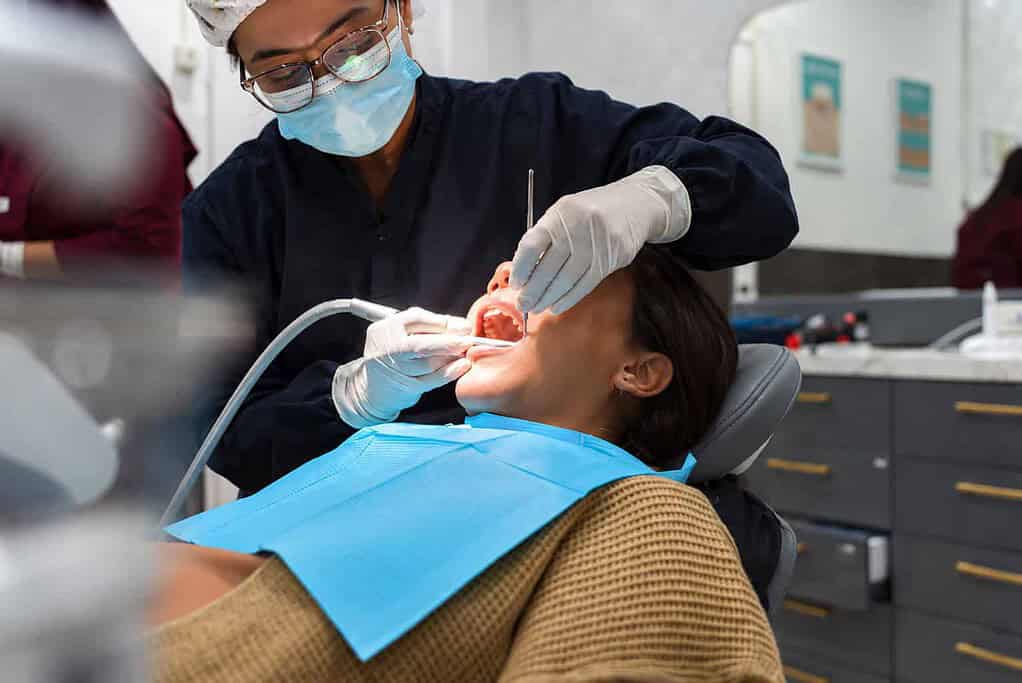
Full mouth rehabilitation is a coordinated treatment plan for people whose teeth, gums, and bite have several problems at once. It can combine treatments that protect existing teeth with restorations that replace missing ones. At Endeta Dental Clinic, we plan around what your mouth needs, rather than assuming everyone requires implants or a complete set of new teeth.
Full Mouth Rehabilitation Is More Than A Smile Makeover
A smile makeover usually focuses on how teeth look. Full mouth dental rehabilitation gives equal attention to chewing, the way upper and lower teeth meet, gum health, and whether restorations can be maintained over time. Appearance matters, but it cannot compensate for an unstable bite or untreated disease.
“Full mouth” also does not mean every tooth needs treatment. You might need several crowns, treatment for unhealthy gums, and a bridge for a missing tooth, while other teeth stay untouched. The goal is to make the different parts of your mouth work together.
When Is A Complete Dental Assessment Worth Considering?
One damaged tooth rarely requires a full-mouth plan. A wider assessment becomes useful when several problems affect how your teeth function, or when fixing one area without considering the others could create new difficulties.
Common reasons include:
- Multiple missing teeth, especially when chewing is difficult on both sides.
- Worn, fractured, or repeatedly repaired teeth that no longer meet comfortably.
- Gum disease that has weakened the support around several teeth.
- Old crowns or bridges that need reassessment alongside the remaining teeth.
- An uneven bite that complicates the placement of new restorations.
These are reasons to investigate, not a diagnosis. Our examination considers each tooth’s condition, the gums and jawbone, existing restorations, and the way your bite functions before we recommend a combined approach. Bring previous X-rays, treatment records, and a list of medications to help us understand your starting point.
Which Treatments Can Be Part Of The Plan?
Full mouth reconstruction is not one procedure. It is a selection of treatments, and the combination changes according to what can be preserved and what needs replacing.
| Treatment | Its role in full mouth rehabilitation |
| Gum treatment | Helps control periodontal disease and establish healthier support around remaining teeth |
| Root canal treatment | May allow an infected or damaged tooth to be retained when its prognosis is suitable |
| Dental crowns | Restore weakened teeth and help rebuild lost tooth shape |
| Bridges | Replace missing teeth using appropriate tooth or implant support |
| Implants or dentures | Provide different ways to replace several missing teeth |
Our prosthodontic services cover crowns, bridges, dentures, and full-mouth reconstructions. We select among these options after assessing the condition of your existing teeth and discussing your preferences. If you already wear dentures, we also examine their fit and the support available for a possible replacement.
Why Saving Some Teeth Can Change The Entire Plan
Patients sometimes think replacing every tooth will be simpler than repairing several different problems. However, removing maintainable teeth is irreversible, and implants require surgery and long-term care of their own. Preserving suitable natural teeth may offer a more conservative plan.
The American College of Prosthodontists emphasizes assessing the benefits, limitations, alternatives, and long-term consequences before extracting teeth for reconstruction. Extraction can sometimes be justified, but it should never be an automatic shortcut. Ask which teeth have a reasonable outlook and why any proposed removal is necessary.
How The Treatment Is Put Together, Step By Step
1. Understand the Starting Condition
The dentist first examines your teeth, gums, bite, and dental history. X-rays and other records may be required, with three-dimensional imaging considered when implant planning needs it. This establishes what is urgent, what can be restored, and what needs further investigation.
2. Stabilize Problems Before Final Restorations
Active infection or gum disease may need treatment before crowns or other definitive restorations are fitted. For example, placing an extensive bridge while the supporting gums remain unstable could undermine the result. The American Dental Association explains why periodontal treatment and ongoing maintenance matter.
3. Rebuild the Bite and Replace Missing Teeth
Some patients need restorations on natural teeth; others need implants, dentures, or a combination. The dentist must consider the space for the restorations, the opposing teeth, and how chewing pressure will be shared. The order matters because changing one part of the bite can affect another.
Your dentist may also assess the height and shape of the planned teeth to avoid an uncomfortable meeting between the jaws. This helps make the restoration suitable for everyday function.
4. Check Fit Before Calling Treatment Complete
Temporary restorations may be used when the dentist needs to assess appearance, bite, or function before the definitive teeth are fitted. If implants are involved, an early temporary bridge does not mean the implants have finished integrating with the bone. Final fittings and adjustments are separate steps, not unnecessary extras.
What Can Affect The Overall Treatment Time?
A plan relying mainly on crowns or bridges may involve a different appointment sequence from one requiring extractions, grafting, or implants. Implant healing can mean a gap of several months before the final restoration, depending on clinical circumstances.
Avoid planning travel around a promised completion date before an in-person examination. At Endeta, we can discuss an initial schedule using your records, but the treatment sequence must be confirmed clinically.
What Happens After The Final Teeth Are Fitted?
Full mouth rehabilitation is not finished simply because the new teeth look good. You need clear instructions for cleaning around crowns, bridges, or implants, and regular professional reviews to monitor the gums, bite, and restorations. Some prosthetic parts may need adjustment or repair with use.
If you travel to Albania for treatment, ask which records you will receive and which follow-up checks can be completed by a dentist near home. Our international patient services can help coordinate appointments and travel arrangements, while your dental team explains the clinical follow-up needed.
FAQs About Full Mouth Rehabilitation
Can I rehabilitate only the upper or lower jaw?
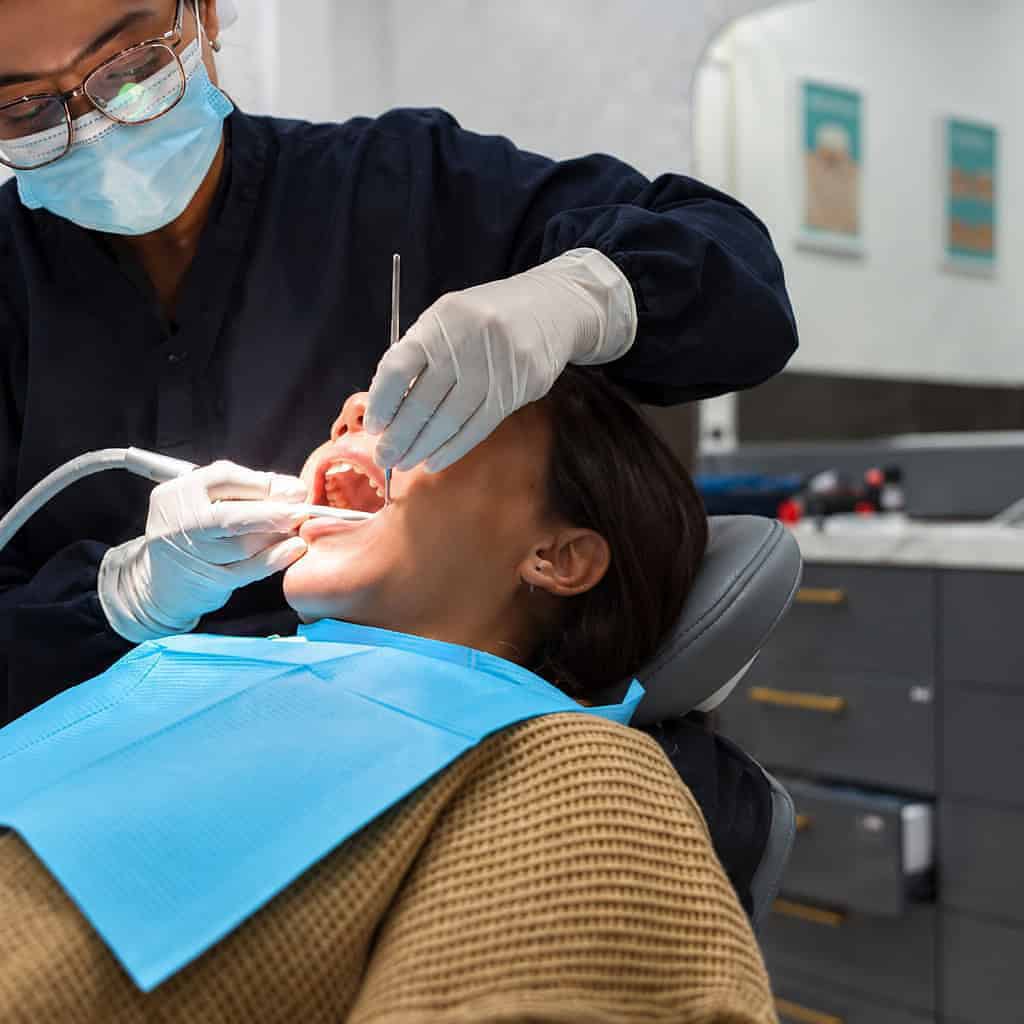
Yes, treatment can focus on one arch when that is appropriate. Your dentist still needs to check how the treated teeth will meet the opposite arch, so a one-jaw plan cannot ignore the rest of the bite.
Is full mouth rehabilitation suitable if I grind my teeth?
Teeth grinding can affect restoration design and the risk of further wear or damage. Tell your dentist about grinding symptoms so the plan can address the forces on your teeth and whether protective measures are appropriate.
Will I have teeth to wear between treatment stages?
Temporary restorations are possible in some treatment plans, but they are not available or suitable in every situation. Ask what you can expect to wear, how it will be secured, and whether eating restrictions will apply.
Does full mouth rehabilitation always involve surgery?
No, a plan built around periodontal care, crowns, and tooth-supported bridges may not require implant surgery. Surgery is considered when the clinical problem and selected replacement option justify it.
What should a written treatment plan include?
It should identify the proposed procedures, treatment sequence, restorative materials, expected visits, and follow-up responsibilities. Ask the team to explain alternatives and what could change after additional examinations, before agreeing to the plan.
🦷 Contact Us for Full Mouth Rehabilitation
You do not need to decide which combination of treatments is right before contacting us. Tell our team what is making eating, speaking, or everyday dental care difficult, and we can help arrange an assessment of the options.
- 📧 Email: info@endetadental.com
- 📞 Telephone: +355 68 321 7270
- 📍 Location: Rruga Arbrit, Kamëz 1029, Albania
- 🌐 Contact us: Discuss full mouth rehabilitation with Endeta

 English
 Italian
 Albanian
 French