
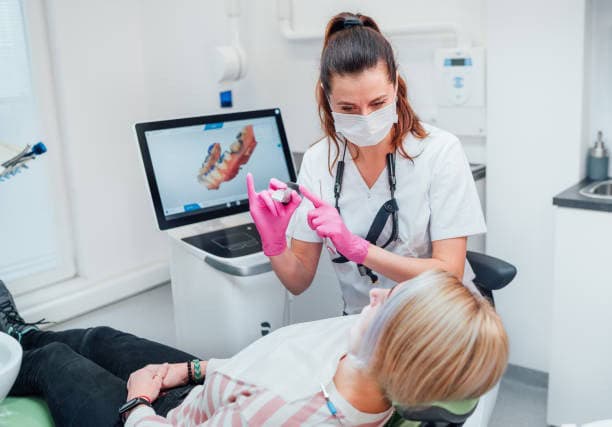
Dental implants without bone grafting are ideal for patients with limited jawbone who want to avoid bone grafting procedures. At Endeta Dental Clinic, advanced implant techniques are used to restore stable and functional results safely.
Understanding the Bone Loss Challenge
When a tooth is lost, the jawbone that once supported it begins to deteriorate due to the lack of natural stimulation. Over time, the bone shrinks in height and width, making traditional dental implant placement more difficult or even impossible without additional procedures.
Traditionally, this problem was managed with bone grafting, a technique used to rebuild lost bone with natural or synthetic materials. Although effective, bone grafting requires extra surgery, longer treatment timelines, higher costs, and a waiting period for the graft to fully integrate before implants can be placed.
Revolutionary Alternatives to Bone Grafting
Modern dental technology has introduced several advanced techniques that allow implant placement even when bone volume is limited. These approaches work with your existing bone structure rather than requiring augmentation, offering faster treatment times and reducing the need for multiple surgical procedures.
Zygomatic Implants: Anchoring Beyond the Jaw
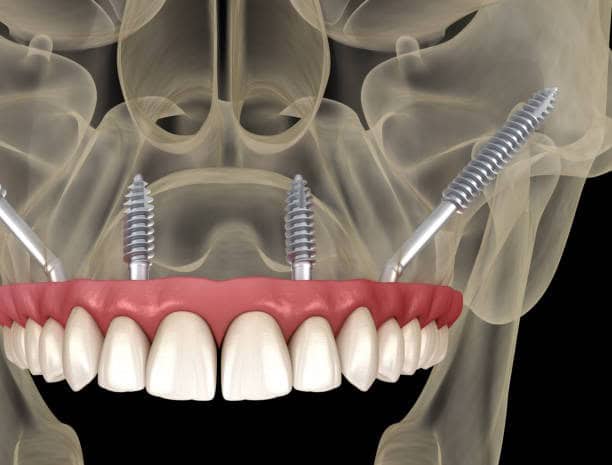
Zygomatic implants are an advanced solution for patients with severe upper jaw bone loss, anchoring into the cheekbone rather than the weakened jawbone. Because the zygomatic bone remains dense and stable, this technique often allows fixed teeth to be placed without extensive bone grafting, frequently with temporary teeth provided on the same day.
All-on-4 and All-on-6 Treatment Concepts
All-on-4 and All-on-6 treatments restore a full arch of teeth using four or six strategically angled implants that maximize existing bone. By engaging denser bone areas and avoiding regions of bone loss, these techniques often eliminate the need for grafting while offering high stability and the possibility of immediate temporary teeth.
Pterygoid Implants for Upper Jaw Solutions
Pterygoid implants anchor into dense bone behind the upper jaw, providing strong support even in cases of advanced bone loss. They are often combined with other implant types to restore the upper arch without sinus lifts or grafting, offering a stable foundation for fixed prosthetic teeth.
Key Advantages of Graft-Free Implant Solutions
Choosing implant techniques that don’t require bone grafting offers numerous benefits that extend beyond simply avoiding an additional procedure. The advantages impact treatment timeline, cost, comfort, and overall patient experience in meaningful ways.
Treatment time reduction stands out as one of the most significant benefits. Traditional bone grafting procedures require four to six months of healing before implant placement can occur, followed by another three to six months for implant integration. Advanced techniques eliminate the grafting phase entirely, allowing some patients to receive functional teeth in a single day or within a few weeks rather than waiting a year or more.
Cost savings represent another major advantage, as bone grafting procedures add several thousand dollars to treatment expenses. Grafting materials, additional surgical procedures, and extended treatment time all contribute to higher costs. Graft-free alternatives reduce overall treatment expenses while often delivering results more quickly.
Fewer surgical procedures mean less discomfort, reduced risk of complications, and faster overall recovery. Each surgical intervention carries inherent risks and requires healing time. By consolidating treatment into fewer procedures, patients experience less disruption to their daily lives and reduced cumulative discomfort.
Immediate functionality changes the patient experience dramatically. Many advanced implant techniques allow for same-day teeth, meaning patients can eat, speak, and smile with confidence almost immediately. This contrasts sharply with traditional approaches that required months of wearing temporary dentures or managing gaps in the smile.
Understanding If You Are Suitable
Not every patient is suitable for every graft-free implant technique, which is why a detailed clinical evaluation and advanced imaging are essential for proper treatment planning. Your dentist assesses bone location, bone quality, overall health, and restoration goals to determine the safest and most predictable approach.
Key factors considered include:
- Location and severity of bone loss: Different areas of the jaw respond better to specific implant techniques.
- Bone quality and density: Dense bone can support implants even when volume is limited.
- General health and lifestyle: Medical conditions, medications, and smoking habits affect healing and implant success.
- Number of missing teeth: Single-tooth replacements and full-arch restorations require different strategies.
- Treatment goals: Aesthetic expectations, functional needs, and desired treatment timeline guide technique selection.
What to Expect During Treatment
Understanding what to expect during implant treatment makes the process feel far less overwhelming. Every case begins with careful planning, including advanced 3D imaging and CT scans, which allow your dental team to map your jaw and plan implant placement with precision before surgery even begins. This step ensures accuracy, safety, and predictable results.
The procedure itself is usually performed under local anesthesia, with sedation available for comfort, and typically lasts a few hours depending on complexity. Many patients are surprised by how manageable the experience feels, and in cases of immediate loading, temporary teeth may be placed the same day so you can eat, speak, and smile normally while healing starts.
Healing takes place over the next three to six months as the implants bond naturally with the bone. During this period, regular checkups monitor progress, and once healing is complete, your permanent teeth are custom-made and securely placed, marking the final step of your implant journey.
Long-Term Success and Maintenance
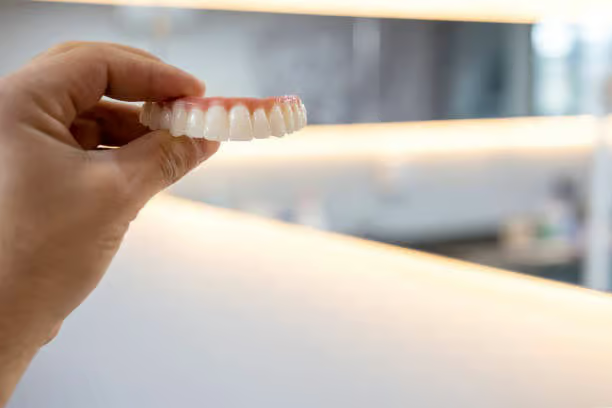
Long-term success with advanced implant treatments is very high when procedures are carefully planned and performed on the right candidates. Techniques such as graft-free implants have shown success rates comparable to traditional methods, offering stable and reliable results over time.
Keeping implants healthy depends on good daily oral care and regular checkups. Although implants cannot get cavities, the gums and bone around them can still become inflamed if plaque builds up, so brushing twice a day and cleaning carefully around the implants is essential.
Professional maintenance every few months helps protect your results in the long run. Healthy habits like avoiding smoking, managing medical conditions, and using a nightguard if you grind your teeth also play a key role in keeping implants strong and functional for many years.
Making an Informed Decision
Making an informed decision begins with choosing an experienced implant dentist or oral surgeon who is skilled in advanced, graft-free techniques. A focused consultation should clearly explain which option suits your case, realistic outcomes, possible risks, alternatives if needed, and a transparent overview of costs and timelines—without pressure to rush your decision.
Although dental implants are a significant investment, the long-term benefits for comfort, function, and overall quality of life can be transformative. Modern alternatives to bone grafting now allow many patients to restore missing teeth more efficiently and predictably than ever before.



 English
  Italian
  Albanian
  French