

Dental implants are a major investment in your health, comfort, and confidence, and their success depends heavily on proper planning. When planning is rushed or incomplete, patients may face complications, poor results, and unnecessary costs.
At Endeta Dental Clinic, every implant treatment begins with detailed planning to ensure safe procedures, natural results, and long-term success.
Why Proper Planning Matters
Successful dental implants do not start on surgery day. They start with detailed planning that looks at your bone, gums, bite, general health, and long-term needs.
Good planning helps to:
- Place implants in the right position
- Reduce the risk of complications
- Achieve natural-looking results
- Set realistic timelines
- Avoid unexpected costs
When planning is poor, patients may face implant failure, gum problems, bite issues, nerve or sinus complications, longer treatment time, and higher overall expenses.

Mistake #1: Not Using 3D Imaging
One of the most common planning mistakes is relying only on standard dental X-rays. While basic X-rays are useful, they do not show the full picture needed for safe implant placement.
3D CBCT imaging allows dentists to see bone height, width, and density, as well as the exact location of nerves and sinuses. Without this information, implant placement becomes guesswork, increasing the risk of nerve injury, sinus problems, and implant failure. Proper planning always includes 3D imaging before treatment begins.
Mistake #2: Ignoring the Gums and Soft Tissue
Implants are not supported by bone alone; healthy gums play an equally important role. Poor planning often overlooks gum thickness, gum height, and tissue quality.
When soft tissue is not properly evaluated, problems such as gum recession, dark shadows around implants, and difficulty cleaning can occur. Careful planning includes assessing the gums and, when necessary, planning tissue management to protect both appearance and long-term implant health.
Mistake #3: Poor Implant Positioning
Even with enough bone, implants can fail if they are placed in the wrong position. Implant placement must be precise in depth, angle, and spacing.
Poor positioning can lead to unnatural-looking teeth, bite problems, difficulty cleaning, and mechanical issues with crowns. Proper planning uses digital tools to place implants virtually before surgery, ensuring they support both function and appearance.
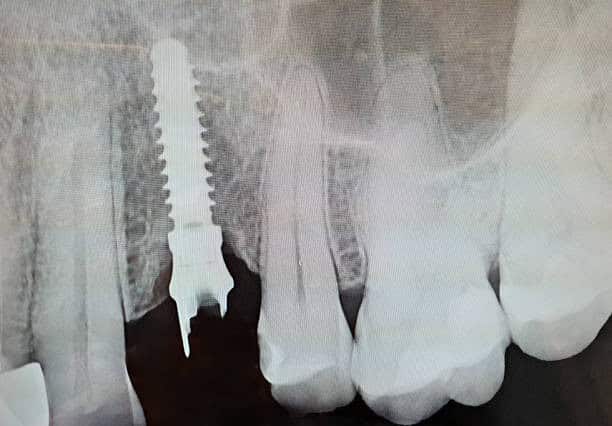
Mistake #4: Not Properly Addressing Bone Loss
Bone loss is common, especially in patients who have been missing teeth for years. A major planning mistake is discovering bone problems during surgery instead of before it.
Correct planning identifies bone deficiencies early and prepares the appropriate solution, whether that means bone grafting, angled implants, or alternative techniques. This avoids surprises, delays, and compromised results.
Mistake #5: Overlooking Medical Conditions
General health plays a major role in implant success. Conditions such as diabetes, smoking habits, medication use, or past radiation therapy can affect healing.
Ignoring these factors increases the risk of complications. Proper planning includes a full medical history review, coordination with physicians when needed, and realistic discussions about risks and expectations.
Mistake #6: Poor Temporary Tooth Planning
Temporary teeth are not just for appearance. They help shape the gums, test the bite, and prepare for the final restoration.
When temporary restorations are poorly planned or skipped, patients may experience discomfort, poor gum healing, and dissatisfaction with the final result. Good planning ensures temporary teeth are functional, comfortable, and supportive of long-term success.
Mistake #7: Lack of Team Collaboration
Dental implants require both surgical skill and restorative planning. Problems often occur when implant placement is done without considering how the final teeth will look and function.
The best outcomes come from collaboration between the surgical and restorative sides of treatment. Planning should always start with the final result in mind, then work backward to place implants in the ideal position.

Mistake #8: Unrealistic Timelines
Implant treatment cannot be rushed safely. Bone healing and integration take time, and pushing for unrealistic deadlines increases failure risk.
Proper planning includes realistic timelines, clear healing phases, and honest discussions about what can and cannot be done quickly. Temporary solutions can often bridge the gap without compromising results.
Mistake #9: Unclear Costs and Financial Planning
Another common mistake is unclear or incomplete cost estimates. Patients should never be surprised by additional fees halfway through treatment.
Good planning includes a clear breakdown of costs, what is included, possible additional procedures, and long-term maintenance expectations. Transparency builds trust and prevents stress later on.

Mistake #10: Ignoring Long-Term Maintenance
Dental implants require ongoing care to remain healthy. Failing to plan for long-term maintenance often leads to problems years later.
Patients should understand cleaning requirements, regular check-ups, and potential future maintenance costs before starting treatment. Long-term success depends on both professional care and daily home habits.
Final Thoughts: Planning Determines Success
Most dental implant problems are preventable with proper planning. Careful evaluation, realistic timelines, clear communication, and a personalized approach make the difference between long-term success and disappointment.
At Endeta Dental, implant planning is never rushed or generalized. Every detail is considered in advance so patients receive predictable results, clear expectations, and lasting outcomes. When it comes to dental implants, planning is not optional—it is the key to success.







 English
  Italian
  Albanian
  French