
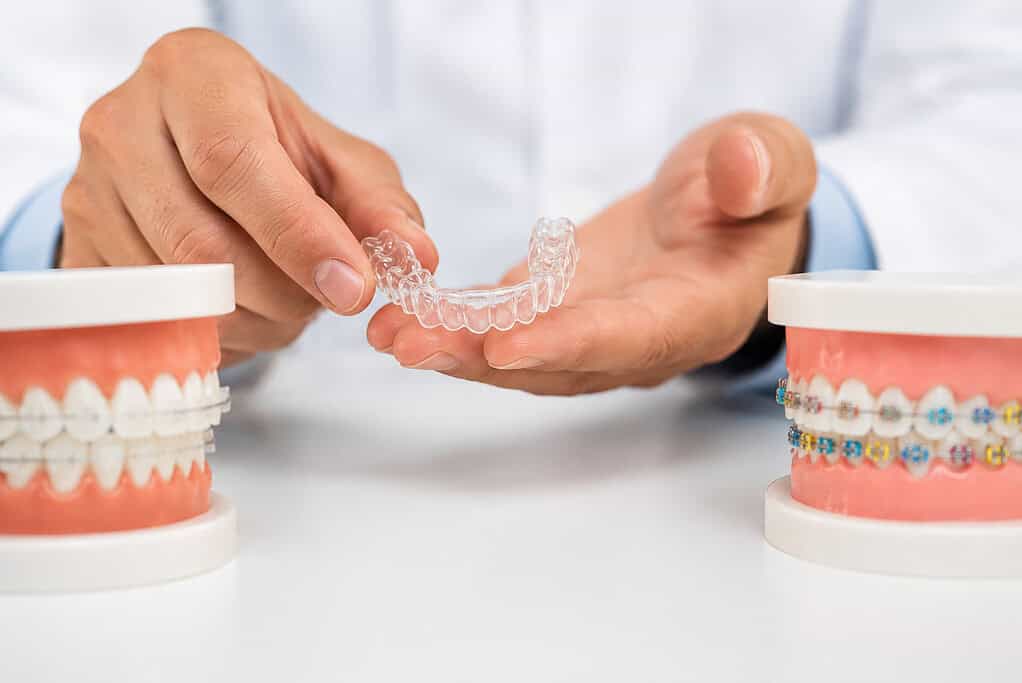
Braces vs Invisalign is one of the most common questions patients ask before starting orthodontic treatment. Both treatments can straighten teeth, improve the bite, and create a more confident smile.
The better option depends on your teeth, lifestyle, budget, and treatment goals. At Endeta Dental Clinic, patients can receive a personalized orthodontic evaluation before deciding.
What Is The Main Difference?
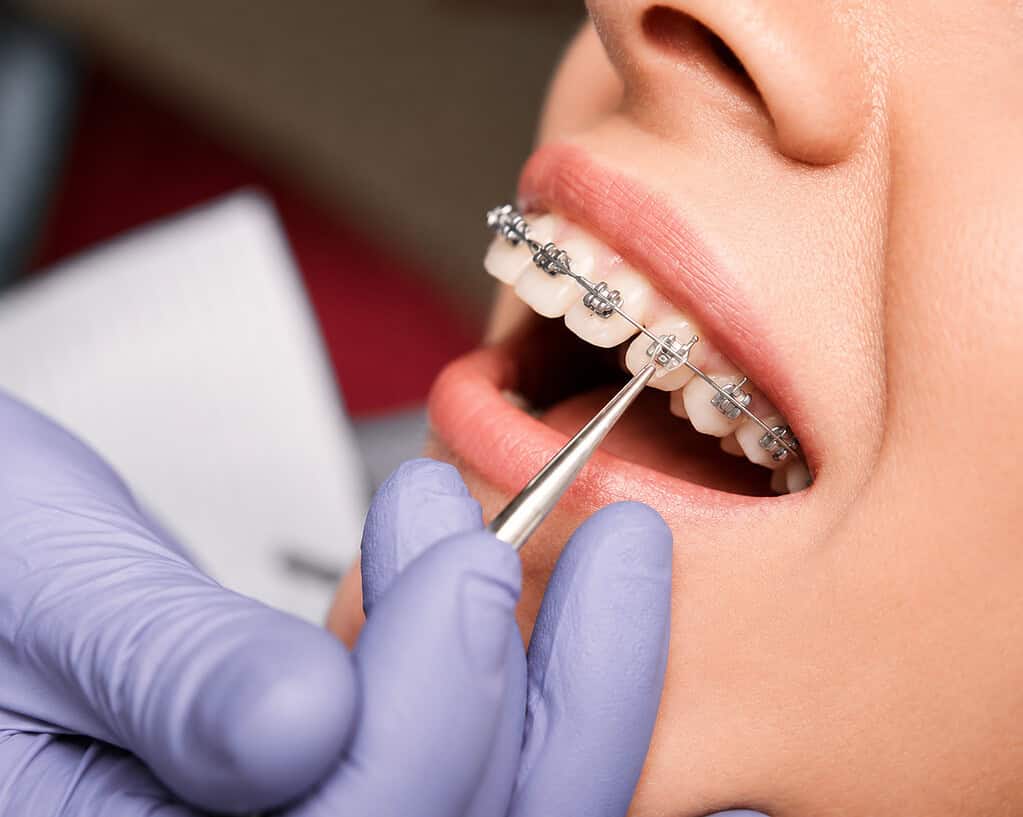
Braces use brackets and wires that stay fixed on the teeth. They move the teeth gradually through controlled pressure.
Invisalign uses clear removable aligners. These aligners are changed during the treatment to guide the teeth into better positions.
The main difference is daily lifestyle. Braces stay in place all the time, while Invisalign can be removed for eating, brushing, and special moments.
Why Orthodontic Treatment Is Important
Many patients think orthodontics is only for appearance. In reality, crowded or misaligned teeth can also affect hygiene and bite function.
When teeth are too crowded, brushing and flossing can become harder. This can increase plaque buildup and gum problems.
Orthodontic treatment can help with:
- crowded teeth
- gaps between teeth
- rotated teeth
- bite problems
- uneven smile line
- teeth that are difficult to clean
- preparation before veneers
- preparation before implants
A straighter smile can look better and feel easier to maintain. This is why orthodontics is an important part of complete dental care.
Braces: The Reliable Classic
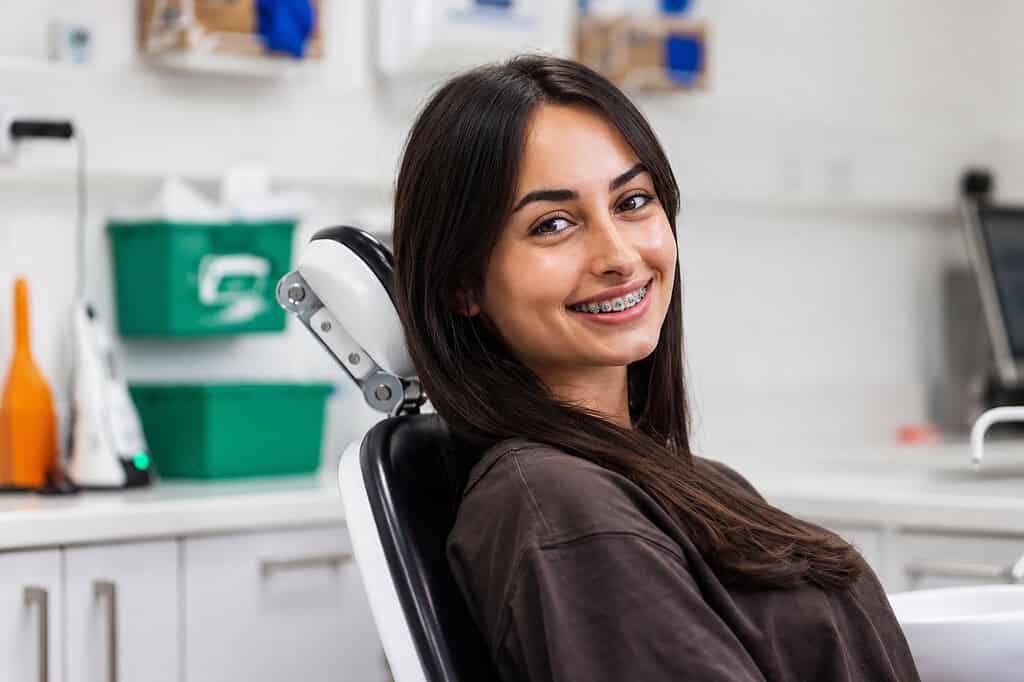
Braces are one of the most reliable orthodontic treatments. They are especially useful for cases that need strong tooth control.
Because braces are fixed, they work all day and do not depend on the patient remembering to wear them. This can make them a better option for some teenagers and complex cases.
Braces may be recommended for:
- severe crowding
- larger bite problems
- rotated teeth
- complex tooth movement
- younger patients
- patients who may forget aligners
- cases needing strong control
Braces are visible, but they are effective. For many patients, that is the most important factor.
Invisalign: The Clear And Modern Option
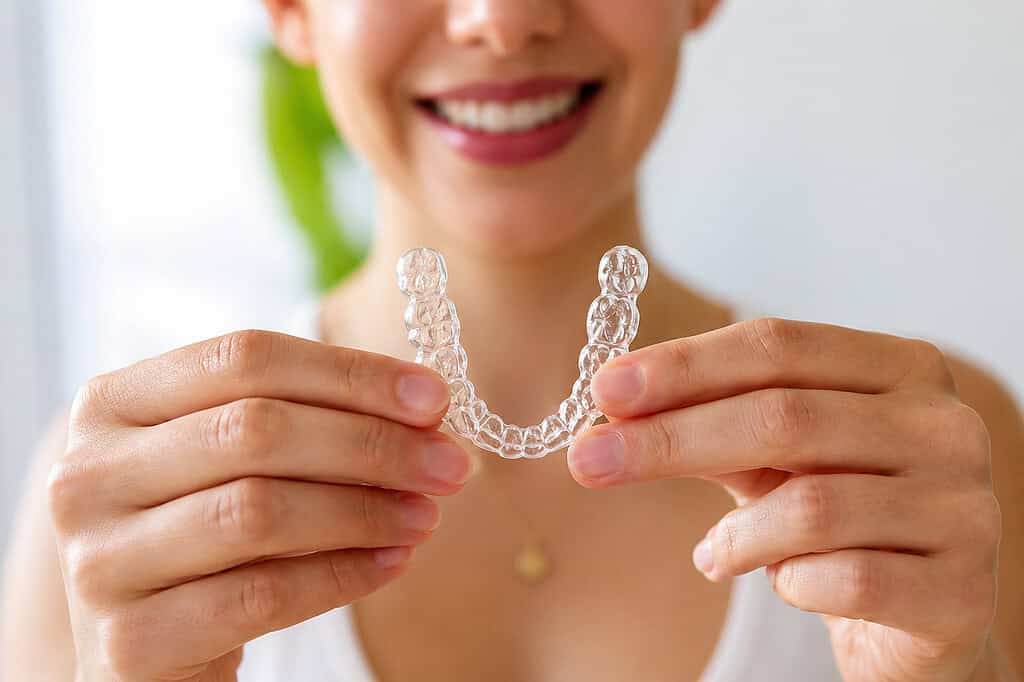
Invisalign is popular because it is discreet and removable. Many adults and teenagers like that the aligners are clear and less noticeable.
The aligners can be removed for eating and brushing. This makes daily hygiene easier compared to fixed braces.
Invisalign may be a good option for patients who want:
- clear aligners
- a discreet treatment
- removable trays
- easier brushing
- fewer food restrictions
- a modern orthodontic experience
- digital treatment planning
However, Invisalign requires discipline. If the aligners are not worn as instructed, the treatment may not progress correctly.
Appearance: Which Looks Better?
For patients who care about visibility, Invisalign is usually the more discreet option. The aligners are clear, so they are much less noticeable than metal braces.
Braces are more visible, especially traditional metal braces. Ceramic braces may be less noticeable, but they are still fixed on the teeth.
Appearance comparison:
- metal braces are visible
- ceramic braces are less visible
- Invisalign is more discreet
- both can create beautiful results
- both usually require retainers after treatment
If appearance is the main concern, Invisalign may be the preferred choice. If visibility is not a problem, braces are still a strong option.
Comfort: What Feels Better?
Both braces and Invisalign can create pressure because the teeth are moving. This pressure is normal during orthodontic treatment.
Braces may cause irritation from brackets or wires, especially at the beginning. Invisalign aligners are smoother, but they can feel tight when a new aligner is placed.
Comfort depends on:
- mouth sensitivity
- treatment complexity
- eating habits
- speech adjustment
- hygiene routine
- patient expectations
Most patients adapt after the first days. The dentist can explain what to expect before treatment starts.
Eating With Braces And Invisalign
Food is one of the biggest differences between braces and Invisalign. With braces, patients need to avoid some hard or sticky foods because they can damage brackets and wires.
With Invisalign, patients remove the aligners before eating. This gives more food freedom, but the aligners must be cleaned and placed back correctly.
With braces, patients should be careful with:
- hard candy
- sticky sweets
- popcorn kernels
- very hard bread
- chewing ice
- biting directly into hard foods
Invisalign is easier for eating, but it requires responsibility. Patients must not forget to wear the aligners again after meals.
Cleaning And Oral Hygiene
Invisalign is usually easier to clean around because the aligners are removable. Patients can brush and floss their teeth normally.
Braces need more careful cleaning because food can get stuck around brackets and wires. Poor hygiene during braces can lead to plaque buildup and white spots.
Patients with braces should pay attention to:
- brushing around brackets
- flossing with the right tools
- gum inflammation
- food trapped in wires
- regular cleanings
- avoiding sugary snacks
Both treatments require good hygiene. Straight teeth should also be healthy teeth.
Discipline Matters With Invisalign
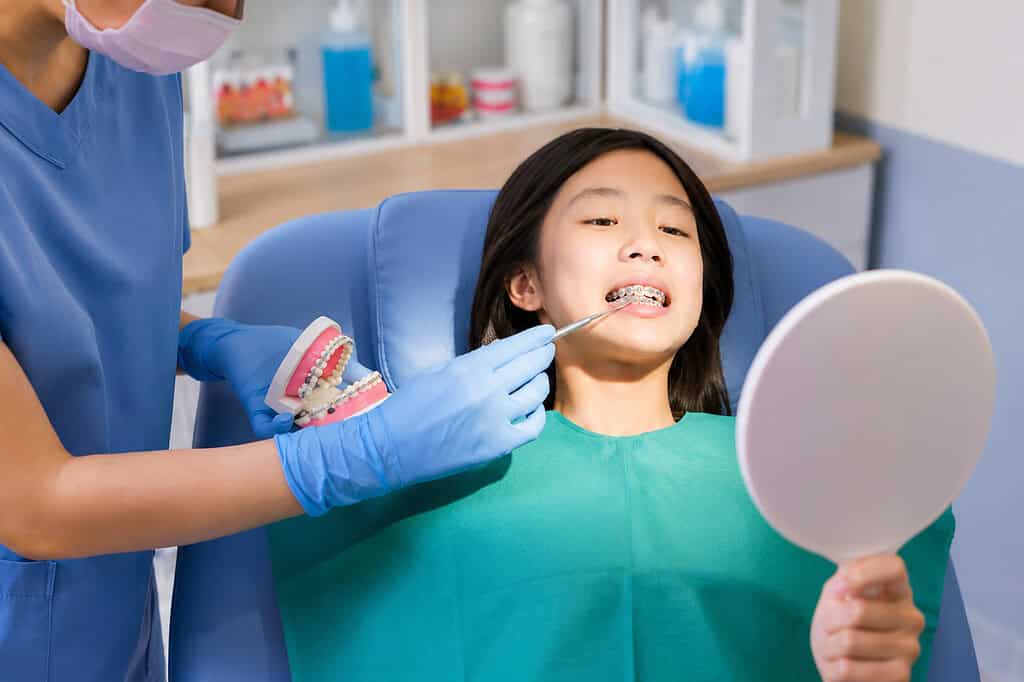
Invisalign only works when the aligners are worn correctly. This is one of the biggest differences in the braces vs Invisalign decision.
If the patient removes the aligners too often, the teeth may not move as planned. This can make treatment longer or less effective.
Invisalign requires:
- daily wear time
- proper aligner storage
- cleaning the trays
- changing aligners on schedule
- not losing the aligners
- following dentist instructions
Braces are fixed, so they remove this responsibility. For patients who forget routines, braces may be easier.
Which Treatment Is Faster?
There is no single answer. Some Invisalign cases are faster, while some braces cases are faster.
Treatment time depends on the complexity of the case. It also depends on how well the patient follows instructions.
The timeline may depend on:
- crowding level
- bite problems
- tooth movement needed
- patient age
- aligner wear time
- missed appointments
- oral hygiene
Endeta Dental Clinic can give a more accurate timeline after an orthodontic consultation. Guessing without an examination is not reliable.
Which Treatment Costs More?
Braces are often more affordable than Invisalign. However, the final cost depends on the patient’s case and treatment length.
Invisalign can cost more because it uses custom clear aligners and digital planning. Some cases may also need more aligners than others.
Cost depends on:
- treatment type
- case difficulty
- treatment time
- number of aligners
- type of braces
- follow-up appointments
- retainers
Patients should not choose only by price. The best treatment is the one that solves the problem correctly.
Braces For Teenagers
Braces can be a strong option for teenagers because they stay fixed on the teeth. Parents do not need to worry about aligners being lost or not worn enough.
Teenagers with more complex orthodontic problems may also benefit from braces. The dentist can control tooth movement more directly.
Braces may suit teenagers who:
- forget routines
- need complex correction
- have severe crowding
- do not mind visible treatment
- need fixed orthodontic control
For some teens, Invisalign can still be a good option. The decision depends on maturity and the dental case.
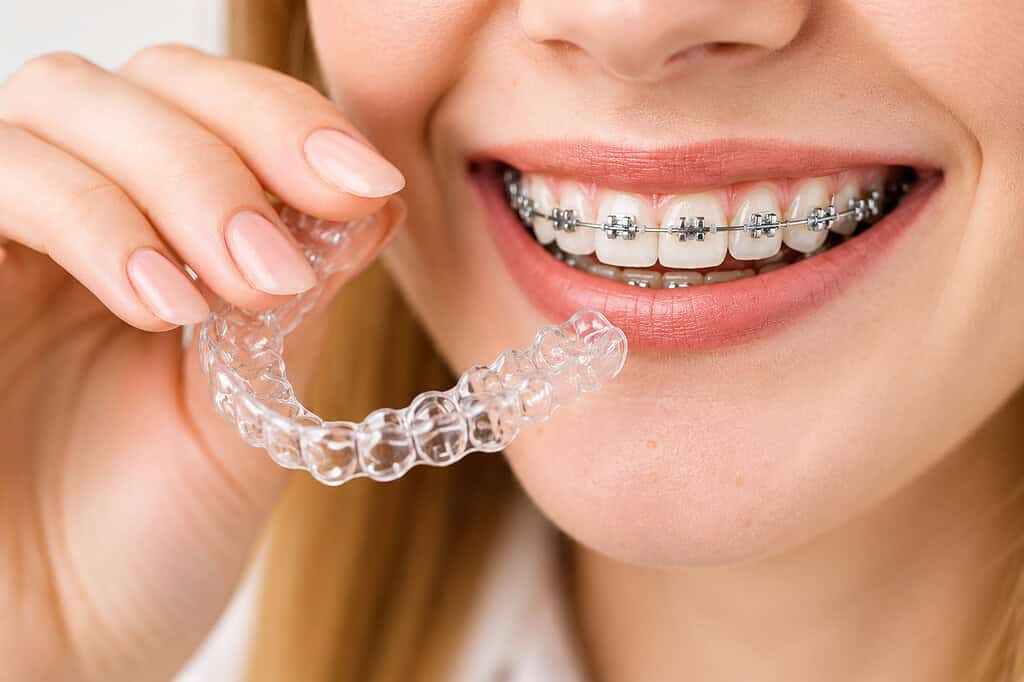
Invisalign For Adults
Many adults prefer Invisalign because it fits better into work, travel, and social life. The aligners are discreet and can be removed for important events.
Adults also like that cleaning is easier. This makes Invisalign attractive for patients who want a modern and flexible treatment.
Adults often choose Invisalign because they want:
- discreet treatment
- easier cleaning
- no metal brackets
- removable aligners
- professional appearance
- flexible daily routine
For mild and moderate cases, Invisalign can be a great option. For complex cases, braces may still be recommended.
Retainers After Treatment
Both braces and Invisalign need retainers after treatment. Retainers help keep the teeth in their new position.
Many patients forget this step, but it is very important. Without retainers, teeth can slowly move again.
Retainers help protect:
- straight teeth
- bite stability
- smile shape
- treatment investment
- long term results
Orthodontic treatment does not end when the teeth look straight. Maintenance is part of the result.
Which Is Better For You: Invisalign Or Braces?
Braces may be better for complex cases and patients who want fixed treatment. Invisalign may be better for patients who want a discreet and removable option.
The right answer depends on your teeth, bite, lifestyle, and goals. A consultation is the best way to compare both options clearly.
Choose braces if you want:
- fixed treatment
- strong control
- suitability for complex cases
- less daily responsibility
- a reliable classic option
Choose Invisalign if you want:
- clear aligners
- removable trays
- easier brushing
- fewer food restrictions
- a discreet smile journey
Endeta Dental Clinic can help you choose the treatment that fits your case. The goal is not only straight teeth, but a healthy and confident smile.
FAQs About Braces Vs Invisalign
Is Invisalign Better Than Braces?
Invisalign is better for some patients, especially those who want a discreet and removable option. Braces may be better for complex cases or patients who may not wear aligners correctly.
Are Braces Cheaper Than Invisalign?
Braces are often more affordable, but the final price depends on the case. The clinic can provide a clearer quote after checking your teeth.
Can Invisalign Fix Crowded Teeth?
Yes, Invisalign can treat many crowding cases. Severe crowding may need braces or another orthodontic plan.
Do Braces Work Faster Than Invisalign?
Not always. Treatment speed depends on the case, the movement needed, and patient cooperation.
Do I Need Retainers After Treatment?
Yes, retainers are usually needed after both braces and Invisalign. They help keep the teeth in their new position.
Ready To Start Your Straighter Smile Journey?
At Endeta Dental Clinic, we help you choose between braces and Invisalign with a clear, personalized orthodontic plan. Whether you want a discreet treatment, better alignment, or a more confident smile, our team will guide you toward the option that fits your lifestyle and your goals.
Book your consultation for:
- Invisalign and braces evaluation
- personalized smile alignment plan
- clear treatment options
- transparent pricing
- expert guidance from start to finish
Take the first step toward straighter teeth and a more confident smile with Endeta Dental Clinic.


 English
  Italian
  Albanian
  French