

Not all tooth extractions are created equal. While simple extractions might seem straightforward, certain situations demand advanced surgical skills and specialized expertise. At Endeta Dental Clinic, we understand that complex extractions require a different level of care, planning, and execution to ensure optimal outcomes and patient comfort.
What Makes a Tooth Extraction “Complex”?
Complex extractions go beyond the routine removal of visible, intact teeth. These cases present unique challenges that require surgical intervention.
Defining characteristics:
- Tooth broken below the gum line
- Impacted teeth (fully or partially)
- Roots curved or hooked abnormally
- Teeth with extensive decay
- Proximity to nerves or sinuses
Common complex extraction scenarios:
- Wisdom teeth lodged in the jawbone
- Teeth damaged by trauma or decay
- Root tips remaining after failed extraction
- Teeth with fused roots to bone (ankylosis)
- Multiple teeth requiring simultaneous removal
Impacted Wisdom Teeth: The Classic Complex Case
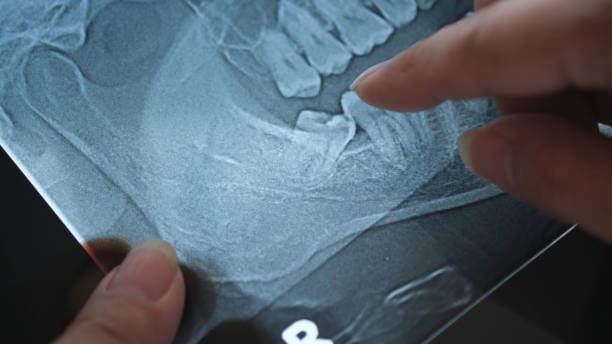
Wisdom teeth removal represents the most common type of complex extraction, affecting millions annually.
Types of impaction
Soft Tissue Impaction
This occurs when the tooth crown has partially erupted but remains covered by gum tissue, preventing full emergence. It is commonly associated with inflammation and a higher risk of infection.
Partial Bony Impaction
In this case, part of the tooth is visible while the remaining portion is trapped in the jawbone. Extraction usually involves removing some bone, resulting in moderate surgical complexity.
Full Bony Impaction
Here, the tooth is completely encased within the jawbone and not visible in the mouth. This is the most complex form of impaction and typically requires bone sectioning during removal.
Horizontal Impaction
This type occurs when the tooth lies sideways and pushes against neighboring molars. It carries a higher risk of damage to adjacent teeth and is generally the most challenging to remove.
Why Surgical Expertise Makes the Difference
The complexity of these procedures demands more than basic dental training.
Critical skills required:
- Advanced surgical technique knowledge
- Precise bone removal capabilities
- Nerve identification and protection
- Complication management experience
- Sedation and anesthesia expertise
Consequences of inexperience:
- Prolonged surgical time
- Increased post-operative pain
- Higher infection risk
- Nerve damage possibilities
- Adjacent tooth trauma
- Incomplete extractions requiring revision
Experience matters because:
Surgeons who perform hundreds of complex extractions develop an intuitive understanding of anatomical variations, efficient techniques, and rapid problem-solving abilities that simply cannot be taught in textbooks.
Pre-Surgical Planning: The Foundation of Success
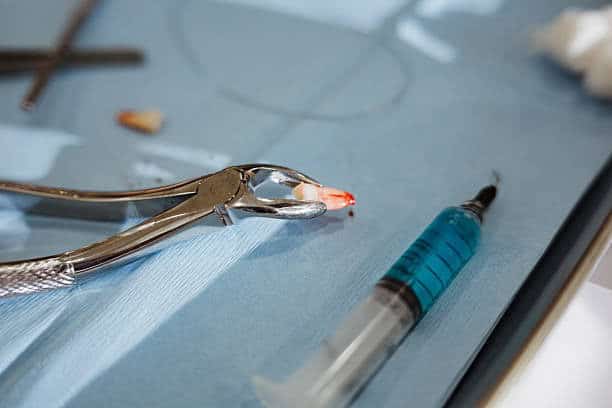
Thorough planning is what separates smooth, predictable outcomes from difficult recoveries. Before any procedure, detailed diagnostics and careful evaluation ensure the safest and most effective approach for each patient.
Essential diagnostic steps include 3D CBCT imaging, which provides precise information about tooth position, root shape, bone density, sinus location, and nearby nerves. A complete medical history review is equally important, helping identify bleeding risks, medication interactions, healing concerns, anesthesia considerations, and the need for preventive antibiotics.
Treatment planning brings all this information together to determine the best surgical approach. This includes selecting the appropriate technique, deciding on sedation options, estimating procedure duration, planning post-operative care, and preparing for any potential complications in advance.
Surgical Techniques for Complex Extractions
Complex extractions require a tailored approach, and successful outcomes depend on choosing the right technique for each situation. Experienced clinicians know when and how to adapt their methods to minimize trauma and improve healing.
Sectioning Technique
When a tooth cannot be removed in one piece, it is carefully divided into smaller sections for safer extraction. This technique is commonly used for multi-rooted teeth, impacted wisdom teeth, and teeth with curved or unusually shaped roots, helping reduce bone removal, shorten surgical time, and improve patient comfort.
Surgical Flap Elevation
Accessing impacted or fractured teeth often requires lifting the surrounding gum tissue with precision. Proper flap elevation involves well-planned incisions, adequate visibility, gentle tissue handling, careful retraction, and meticulous closure to support smooth healing.
Bone Removal Protocols
In some cases, limited bone removal is necessary to reach the tooth safely. An expert approach focuses on minimal bone removal, precise instrument control, continuous cooling to protect tissues, preservation of nearby tooth support, and smooth bone contouring to promote proper recovery.
Broken Teeth and Root Retrieval
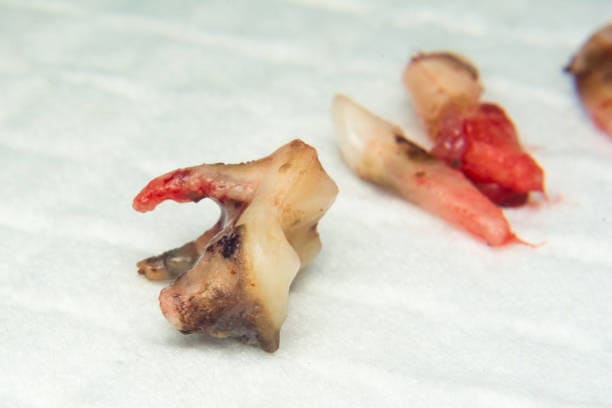
Fractured teeth present unique extraction challenges requiring patience and skill.
Why Teeth Can Break During Extraction
Teeth may break during extraction when they are badly decayed or have had a previous root canal, which makes them weaker. Unusual root shapes, using too much force, or not dividing the tooth properly can also cause fractures.
How Dentists Remove Broken Teeth Safely
If a tooth breaks below the gum line, the dentist carefully accesses the area to remove the fragment. Special instruments and gentle movements are used to avoid damage to nearby bone and tissues.
When Root Tips Are Left in Place
In some situations, very small root pieces are safer to leave alone. This is usually the case when they are deep in the bone, close to nerves or sinuses, and not causing pain or infection.
In Conclusion
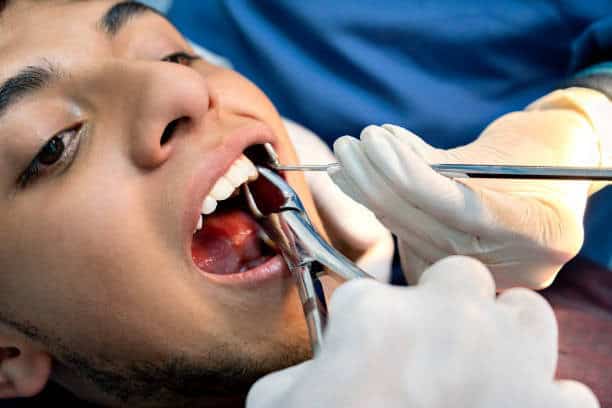
Complex tooth extractions can be challenging, even for experienced dentists, which is why skill and experience matter so much. The outcome often depends on the surgeon’s judgment, technique, and ability to handle unexpected situations calmly and safely.
At Endeta Dental, complex extractions are performed regularly using modern technology and proven surgical methods. This means procedures are planned carefully, carried out efficiently, and focused on patient comfort and safety at every step.
If you are facing a difficult extraction, you do not have to feel anxious or uncertain. Contact us today for a full evaluation and clear guidance, and let experienced hands turn a stressful situation into a smooth and well-managed treatment.







 English
  Italian
  Albanian
  French